Blog

Should I Paint My Garage Door?

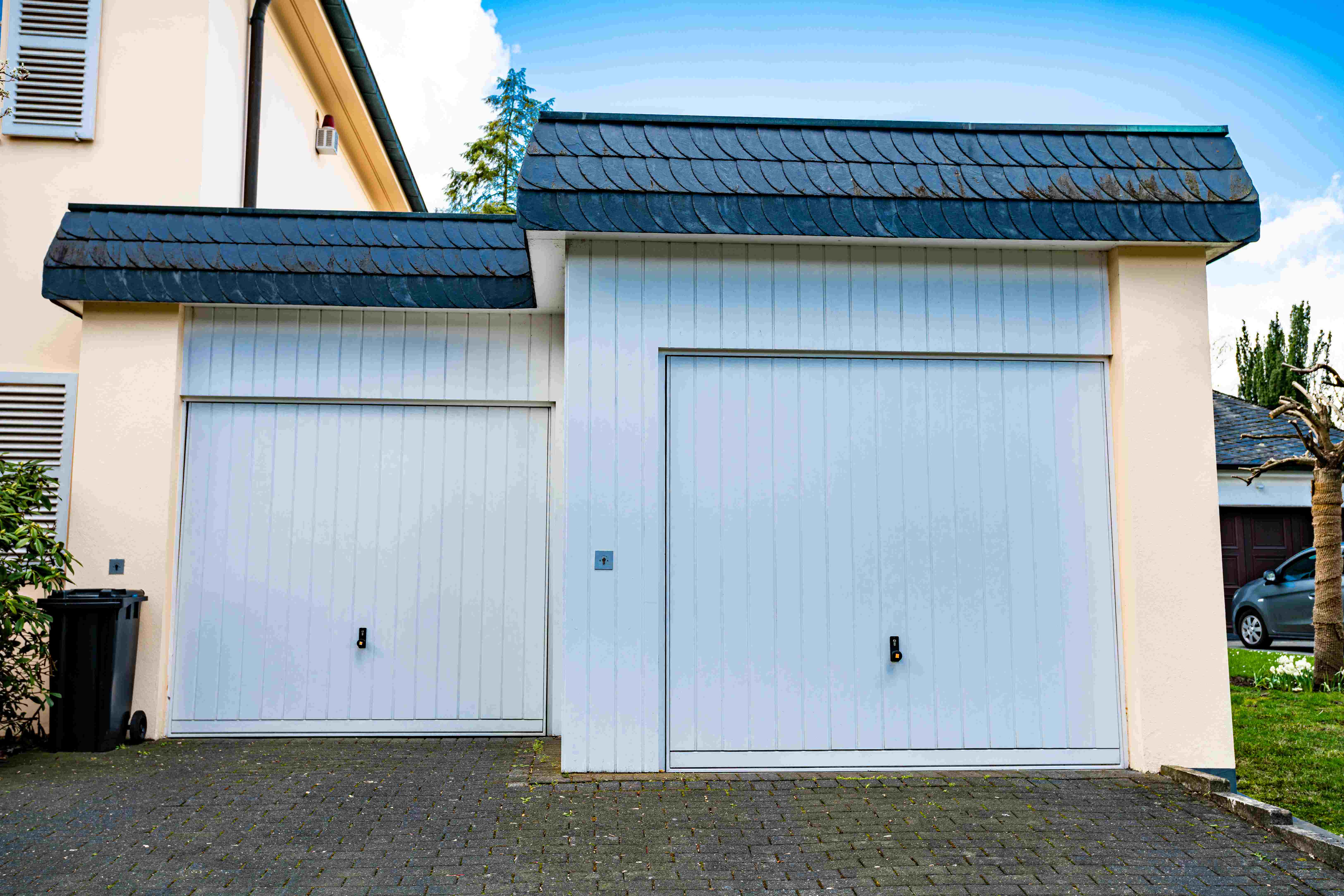
Should I paint my garage door? A common question with no clear answer. It is true that a simple coat of high-quality paint can vastly improve your garage door’s appearance and lifespan whether it’s made of steel or wood. But it’s important to find an expert garage door company like Door Doctor that can match the paint to the product for a high-end finish. 

Read on to learn more about painting a garage door.

Pros & Cons of Painting My Garage Door?

Whether or not you should paint your garage door depends on many factors. Here are some possible pros and cons of painting your garage door. 

Benefits of Painting a Garage Door

  • Adds Contrast – A garage door is a prominent feature in one’s home. Adding a contrasting colour to your house by painting your garage door goes a long way in enhancing the overall aesthetic of your home.
  • Replaces a Deteriorating Coat – A baked enamel or powder coat is durable but doesn’t last forever. When it eventually shows signs of wear, it may be better to paint your garage door rather than replacing it entirely.
  • Matches a Home Refresh – Coordinating with a new exterior home refresh is another excellent reason to paint your garage door. Your house will look even sharper if your garage door colour complements your home’s new colour.

Drawbacks of Painting a Garage Door

There are also some circumstances under which it may not be beneficial to paint your garage door.

  • Painting wood garage doors is fairly straightforward. But painting metal (steel or aluminum) garage doors can be a little more complicated. Metal garage doors generally have baked enamel or powder coatings. These coatings are durable, usually have a long lifespan, and require little maintenance. If you decide to paint over a factory-produced coating, you will need to repaint every five to ten years.
  • Painting aluminum garage doors also requires oil-based paint and primer. An oil-based paint emits more VOCs and is very difficult to clean up.

Wondering Whether to Paint your Garage Door? Contact Door Doctor Today!

Some homeowners paint their garage doors themselves, which is hard, time-consuming work that often yields undesirable results. 

For best results, it is always advisable to hire a professional garage door painting company to ensure the job is done according to best practices using the right products. Enjoy your home’s gorgeous new look without taking on the hassle yourself!

Trust Door Doctor for exceptional customer service and professional garage door painting for homeowners in Montreal, Ottawa, Kingston, and Toronto. Contact us now to get started. We look forward to helping you!

What is a Good R-Value for a Garage Door?

If you are shopping for a new garage door, you need to know what constitutes a good R-value for a garage door, how it’s calculated, and, more importantly, what you should buy to fit your needs.

Here are the answers to all your questions about garage door R-value.

R-Value for a Garage Door - What is the Ideal Parameter

The R-value is an imperial measurement of thermal resistance used in the building and construction industry. More precisely, the R-value measures resistance to heat flow. The transmission of heat or cold can be reduced using an insulating material. Thus, R-value indicates the energy efficiency of a product. This number is calculated as a function of the thickness of the insulator and its physical properties.

When considering a garage door’s R-value, the larger the number, the better the thermal insulation of the door. For example, R‑16 is better than R‑12.

Recommended R-Values for Garage Doors

Not everyone needs a garage door with a high R-value. Choosing the right R-value for your garage door depends on what type of garage you have and how much time you spend there.

The breakdown of recommended R-values for garage doors is as follows: 

  • Non-Insulated to R-6 Insulation: This range is recommended for non-insulated and detached garages where people do not spend a lot of time. Having an insulated garage door doesn’t make sense if the walls of your garage are not insulated.
  • R-6 to R-9 Insulation:This range is recommended for attached garages that are not conditioned, i.e., heated or cooled, depending on where you live. The doors provide sufficient insulation to stop cold damage to any items you store in the garage and are relatively inexpensive.
  • R-9 to R-13 Insulation: This range is recommended for conditioned (heated or cooled) garages. In this case, you are looking for the highest possible R-value to keep the air you are heating or cooling inside where you want it.  
  • R-13 Insulation and Higher:This range is recommended if you have converted the garage into a living space or are trying to create a net zero home. You may have to pay a premium for a garage door with such a high R-value, but you will also save a lot on energy costs over the garage door’s lifetime.  

Beyond these general recommendations, getting the highest R-value possible is a good idea if you want to be energy efficient. However, high R-value garage doors are significantly more expensive due to their more costly materials. 

Contact Door Doctor Now to Find the R-Value that is Right for You!

The expert team at Door Doctor can help you find the garage door that perfectly meets your needs and can even assess the R-value of your existing garage door.

Contact us now to learn more about our collection of residential and commercial garage doors.

Nylon vs.Steel Garage Door Rollers

Most people think that all garage door rollers are the same. But in fact, nylon and steel garage door rollers are very different.

To be sure you choose the rollers that are right for you, it is important to weigh the pros and cons of nylon and steel garage door rollers when replacing your old plastic ones. Read on to learn about what differentiates nylon garage door rollers from steel ones and find out which type comes out on top.

Nylon vs. Steel Garage Door Rollers: Durability

Garage door roller durability mainly depends on the presence of ball bearings. Ball bearings are small metal balls placed between the rotating wheel of the roller and the stationary rod to reduce friction. Garage door rollers wear out much faster without ball bearings. Most steel and nylon rollers have ball bearings, while plastic rollers do not.

Note that the more ball bearings, the longer the product’s lifespan. Rollers generally have between seven and 13 ball bearings. For example, nylon rollers with 10 ball bearings are rated between 10,000 and 15,000 cycles, whereas nylon rollers with 13 ball bearings are usually rated at 20,000 cycles.

In terms of material, nylon and steel are durable and have comparable lifespans. The key difference is that steel rollers can corrode. Despite a protective layer of rust-resistant coating, they can sometimes get scratched or worn down.

Nylon vs. Steel Garage Door Rollers: Maintenance

Neither nylon nor steel garage door rollers need a great deal of maintenance. To prevent squeaking and grinding noises and keep them in good condition, lubricate them twice a year using a high-quality lubricant. Apply the grease directly to the bearings for steel and nylon rollers with exposed ball bearings and apply the grease to the roller itself for rollers without bearings. Rollers with sealed ball bearings do not need any lubrication.

Nylon vs. Steel Garage Door Rollers: Noise Level

Nylon garage door rollers are the clear winner when it comes to silent operation. Steel rollers produce rattling noises and vibrations as they travel up and down the garage door tracks. Nylon is the obvious choice if you want a silent garage door system.

For All Your Garage Door Needs, Including Rollers, Contact Door Doctor Now!

Nylon garage door rollers are more popular than steel ones. They are quieter, don’t corrode, and generally provide a much smoother experience. They are a bit costlier than steel garage door rollers, but they are worth the modest financial stretch. Steel garage door rollers are nonetheless perfectly acceptable.

Both nylon and steel garage door rollers will serve you well for many years with proper maintenance. But in an objective overall assessment, nylon rollers come out on top.

Contact Door Doctor today if you have any questions regarding garage door rollers or need garage door repair.

Different Types of Garage Door Seals

Weatherstripping can save you hours of hard labor. For example, it can prevent leaves from blowing right back into your garage immediately after you clean it with a blower. Some garage door seals work best against leaves, while others handle water. With the correct type of garage door seal, you can keep rain, bugs, grass, and leaves out of your garage for good.

You can read on to learn more about different types of garage door seals and how they can help your garage stay moisture- and debris-free.

What Is a Garage Door Seal?

Whether winter, summer, spring, or fall, weatherstripping protects the garage space from inclement weather, making garage door seals essential year-round. There are different types of garage door seals available on the market—threshold, bottom, and more. Some seals, such as brush seals, typically come on commercial doors, but every garage door has bottom seals.

A bottom seal—a gasket or astragal—is necessary for a garage door because concrete floors aren’t even, and it helps seal the gaps to make the space more level. Bottom seals are used to weatherproof the garage and help keep rain, snow, leaves, grass, insects, and more out of your garage.

Different Types of Garage Door Bottom Seals

A garage door bottom seal doesn’t only help to weatherproof the garage but is also vital for keeping your garage clean. A range of problems can occur if the garage door bottom seal breaks, so you need to replace it as soon as possible.

The different types of garage door seals include:

  • J-Type Seals: These bottom seals are installed on a single-channel retainer and seal each side of the garage door by forming a hook shape, like the letter “J.”
  • T-Type Seals: These bottom seals are installed with single-channel retainers, forming an inverted “T” when viewed from the side.
  • Bulb Seals: These are long tubular seals with a narrow “T” shape at the top and rounded bottom. They push upwards over an uneven surface to spread out.
  • Beaded Seals: These are also T-shaped bottom garage door seals designed to fit into a circular groove. Beaded seals are used for two-channel retainers and prevent water from seeping under the seal.

Looking for Different Types of Garage Door Seals? Contact Door Doctor Today!

Most Door Doctor garage doors come with bulb seals, and some even have thermal seals between sections providing additional protection against the elements. We also offer garage door seals with insulation for even greater energy efficiency.

So, if you want more information about our garage doors or are interested in learning more about garage door bottom seals, schedule a consultation with Door Doctor now!

Check Out How to Install Garage Door Cables

If you’re wondering how to install garage door cables, you’re probably worried about a costly repair or replacement.

However, if you are able to identify your broken garage door cable, you can perform the installation yourself!

You must make sure that your garage door is safe for you and your family sooner rather than later. This article can help you figure out where to start.

If you want to find out how to install garage door cables, read on for the seven steps to a successful job!

How Does a Garage Door Cable Work?

Your garage door cable keeps you safe if a spring on the garage door breaks. Torsion spring cables connect the bottom of the garage door to the cable drum so the springs can lift the door. With regular use, the springs can get worn out or frayed.

When Should You Replace a Garage Door Cable?

If you’re wondering if you need a new garage door cable, begin by determining the current state of the cable itself. You should check it once a year and replace it if you see any damage.

The most common damage is rusting, broken or separated wires, frayed wires, and oxidation. If you notice these signs of damage, installing a new cable is the best option.

Tools and Materials Required

Before starting the job, you should have the following tools to keep you safe. They can easily be ordered or obtained at your local hardware store.

  • Garage door replacement cable
  • Leather work gloves
  • Safety glasses
  • Ladder or stepladder
  • Wrenches
  • Vice grip or locking pliers
  • Rags
  • Winding bars
  • Ratchet
  • Sockets

Steps for Installing Garage Door Cables

1. Open the Door

Pull down the emergency release so you can open and close your garage door manually. The emergency release is usually a red rope with or without a handle near the opener or the top rail.

Open the garage door and use a vice grip below the roller on both sides to hold the door open.

2. Release Spring Tension

Loosen the spring screw sets at the centre of your garage door with ¼ turns. After that, fully insert both winding bars. Use both bars at the same time to avoid injury and do not get in the way of the bars.

Completely unwind the garage door spring in ¼ increments until you release all the tension. Do this individually for every spring on your garage door.

3. Loosen Cable Drum Screws

Once you release the tension, use the wrench to loosen the screws in the cable drum at the top left of your garage door. Then remove the cable. Near the bottom of the door, use your socket and ratchet to remove the bottom screw from the jamb bracket. Remove the bottom bracket and then the cable.

4. Insert New Cable

Next, insert the new cable into the bottom bracket, then thread it to the drum at the top of the garage door. Repeat for the other side of your door.

5. Set the Cable

Insert the cable into the slot in the cable drum. Make sure it’s accurately set and doesn’t overlap. Wind the cable onto the drum, slide the drum to the bearing plate and turn it counterclockwise until the cable is tight.

Tighten all screws once the cable is set on both sides. Do not over-tighten the screws, as it could strip them.

6. Increase Spring Tension

While holding the new cable, use your vice grip to hold the rod that intersects the garage door in place against the wall. Repeat on the other side.

Then, use the winding bars to increase spring tension by ¼ turns. Do not overwind the springs.

7. Finish Up

Remove the locking pliers from the metal rod at the top of the door and re-engage the door by pulling the emergency release. Lift the door until it clicks into place. You can now plug in your garage door opener.

How to Install Garage Door Cables with Door Doctor

Despite these step-by-step instructions on how to install garage door cables, it can still be tricky to follow every step perfectly. Contact us for 24-hour, fast, and friendly garage door service.

Our professionals at Door Doctor carry the cables commonly used in garage doors across the country! We quickly identify the problem and repair your garage door as quickly as possible.

Five Signs You Need a Garage Door Tune-Up

Most people enter their homes through their garage doors more often than their front doors, so a properly functioning garage door is essential for daily convenience. Because of regular use, it’s normal for a garage door to require periodic repairs.

Here are the top five signs that you need a garage door tune-up.


Five Signs You Need a Garage Door Tune-Up

Like most homeowners, you probably don’t think about your garage door until there’s a severe problem. And when that problem arises, the signs are usually pretty obvious—strange noises, the door doesn’t open or close smoothly, and more. Here are five common signs that your garage door needs a tune-up:

  1. If your garage door suddenly won’t open or close, something is wrong. The problem could be as simple as an engaged disconnect switch or something more serious such as a faulty connection between the door and control panel.
  2. If your garage door starts making unusual noises, it is also a sign that it needs a tune-up. Grinding, rumbling, or banging could indicate significant problems like bent coils or loose spring tension.
  3. When garage doors move slower than usual or get stuck part way up or down, this is another sign that something needs a tune-up. Often, lubricating the door’s tracks and rollers can resolve this issue.
  4. If your garage door opener remote is no longer working, it might just need new batteries. But if that doesn’t solve the problem, there could be a bigger problem with the opener itself.
  5. If you see any gaps or cracks in your garage door, this is a sign that the door needs to be replaced. These gaps can let in drafts and pests and cause serious injury if someone accidentally walks into them.

If you notice any of these signs, don’t hesitate to call the professionals to get your garage door back in working order.

Contact Door Doctor for the Best Garage Door Tune-Up


These are just a few signs that you need a garage tune-up. At Door Doctor, we are happy to provide regular garage door maintenance. Monitoring these five signs will help you know when to schedule a tune-up. We’ll help get your garage door back in top condition.

English