Fall Dock & Door Inspection: What Facility Teams Should Check Before Winter
Most of the door and dock failures that show up in January were visible in October. A spring near the end of its cycle life, a photo eye that only works when the lens is clean, a leveler that drops a little faster than it used to. In the fall, these are small items on a list. Once the cold sets in and there is a trailer at every door, they turn into downtime and incident reports.
A fall maintenance walkthrough gives your team time to find these issues and schedule repairs on your terms. Here is what a solid loading dock inspection should cover.
Overhead Doors
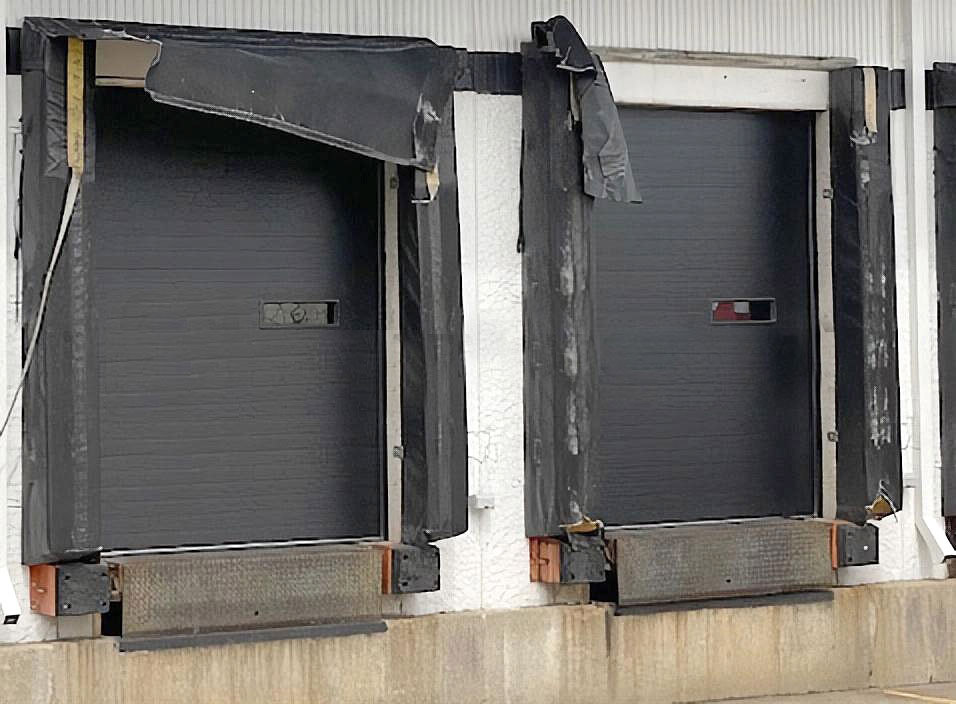
Run every door through a full cycle and watch it the whole way. It should move smoothly, without jerks or pauses, and close evenly against the floor. While it runs, look for:
- Rust or gaps in the torsion spring coils
- Fraying or kinks in the lift cables near the bottom brackets
- Rollers that wobble or have flat spots
- Loose track bolts or bent track sections
- Dented panels or slats from forklift contact
Spring and cable work belongs to a qualified technician. Your team only needs to spot the problem and flag it.
Operators and Safety Devices
Break the photo eye beam while each door is closing. The door should stop and reverse. Do the same test on the reversing edge. If either one fails, take that door out of service until it is repaired. Check that the emergency release is within reach and that warning labels are still readable. Note any operator that hums, strains, or trips on overload, since cold weather adds load to a motor that is already struggling.
Dock Levelers and Vehicle Restraints
Cycle each leveler. The deck should rise smoothly, the lip should extend fully and lie flat on the trailer bed, and the deck should return flush with the dock floor. Check the pit for hydraulic fluid and debris.
Test the restraint at every position, ideally with a trailer in place. A restraint that only partly grabs the rear impact guard can let a trailer creep away under forklift traffic. Confirm the inside and outside signal lights match what the restraint is actually doing.
Personnel and Fire Doors
These get skipped because they are not at the dock face, but winter is hard on them. Once the heat comes on, the pressure difference between inside and outside grows, and doors that latched fine in summer start hanging open. Check that every exterior and fire-rated door closes and latches on its own. Adjust closers that slam or stall. Test panic hardware, and make sure exits are not blocked by pallets staged for the busy season.
The Dock Approach
Walk outside. Check bumpers for wear, missing bolts, or torn rubber. Clear leaves from the drain at the bottom of the approach before they freeze into a plug, because a blocked drain leads to standing water and then a sheet of ice right where trucks back in. Test the dock lights and replace dead bulbs before the shortest days arrive.
Write It Down and Rank It
A commercial door inspection is only useful if the findings go somewhere. Record each door and dock position by number, what you found, and how urgent it is. Three levels are enough: stop use, fix this month, and monitor. Anything tied to worker safety goes at the top, such as a failed reversing edge, a restraint that will not engage, or a leveler that drops too fast.
When to Call In a Technician
An in-house walkthrough catches the obvious problems. A trained technician catches the parts that are starting to fail and can check spring tension, operator force settings, and hydraulic pressure, none of which your team should be adjusting. Door Doctor's 26-point dock and commercial door safety inspection goes through each opening in order and leaves you with a clear record of what needs work, which makes it easier to plan repairs and set next year's budget.
Booking a dock and door safety inspection in October gets the work done before the first freeze and before peak shipping season fills up everyone's schedule.